Why Practical Training & Paid Internships Are Critical for Animation Students
What Is Practical Training in Animation?
Practical training means learning by doing. Instead of only watching tutorials or reading about animation concepts, students actively create work through assignments, exercises, projects, and portfolio pieces.
A practical animation-learning experience may include:
Character walk and run cycles
Facial expressions and lip-sync exercises
Storyboarding and visual storytelling
2D or 3D character-animation shots
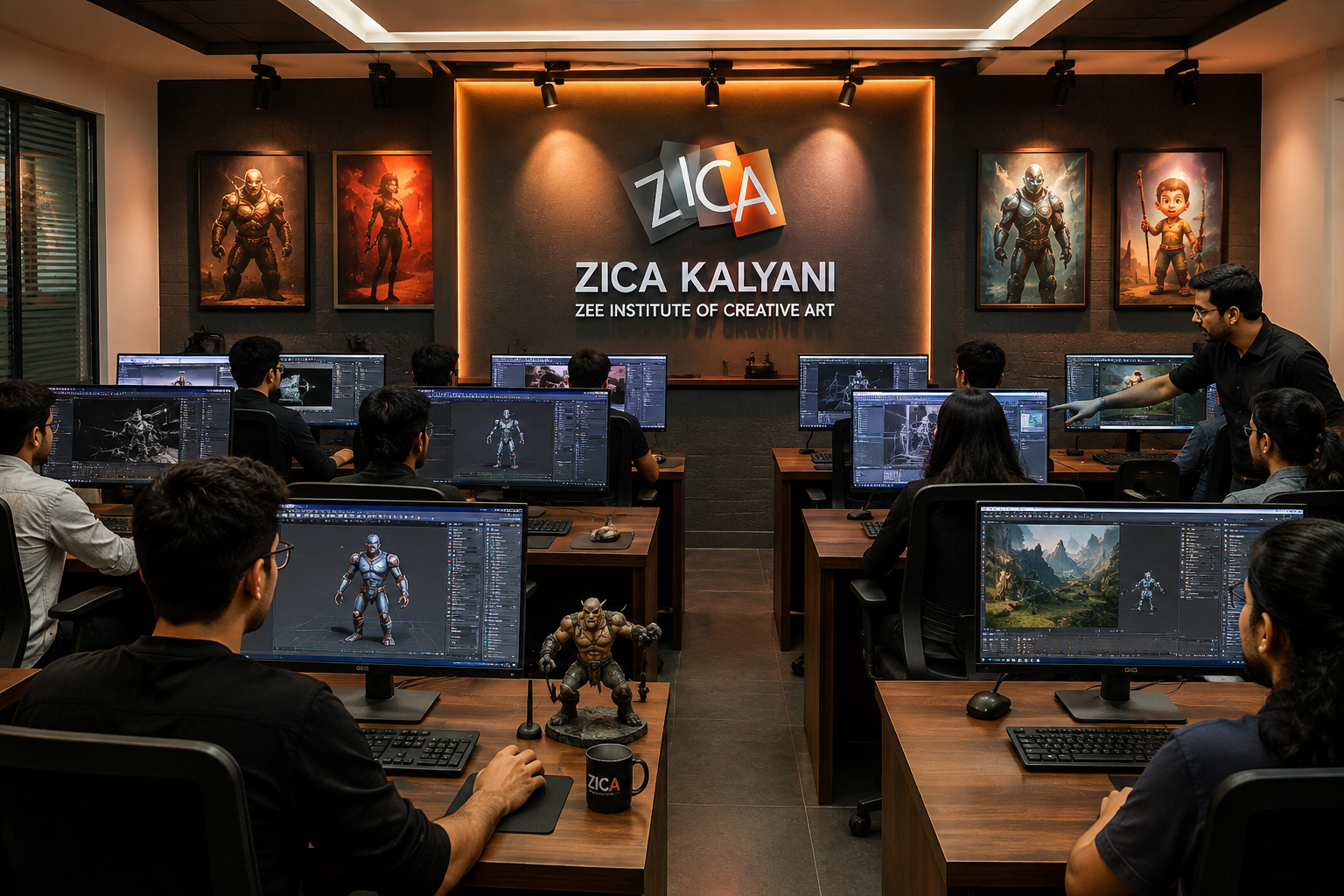
Modeling, texturing, rigging, lighting, and rendering projects
Motion-graphics videos and title sequences
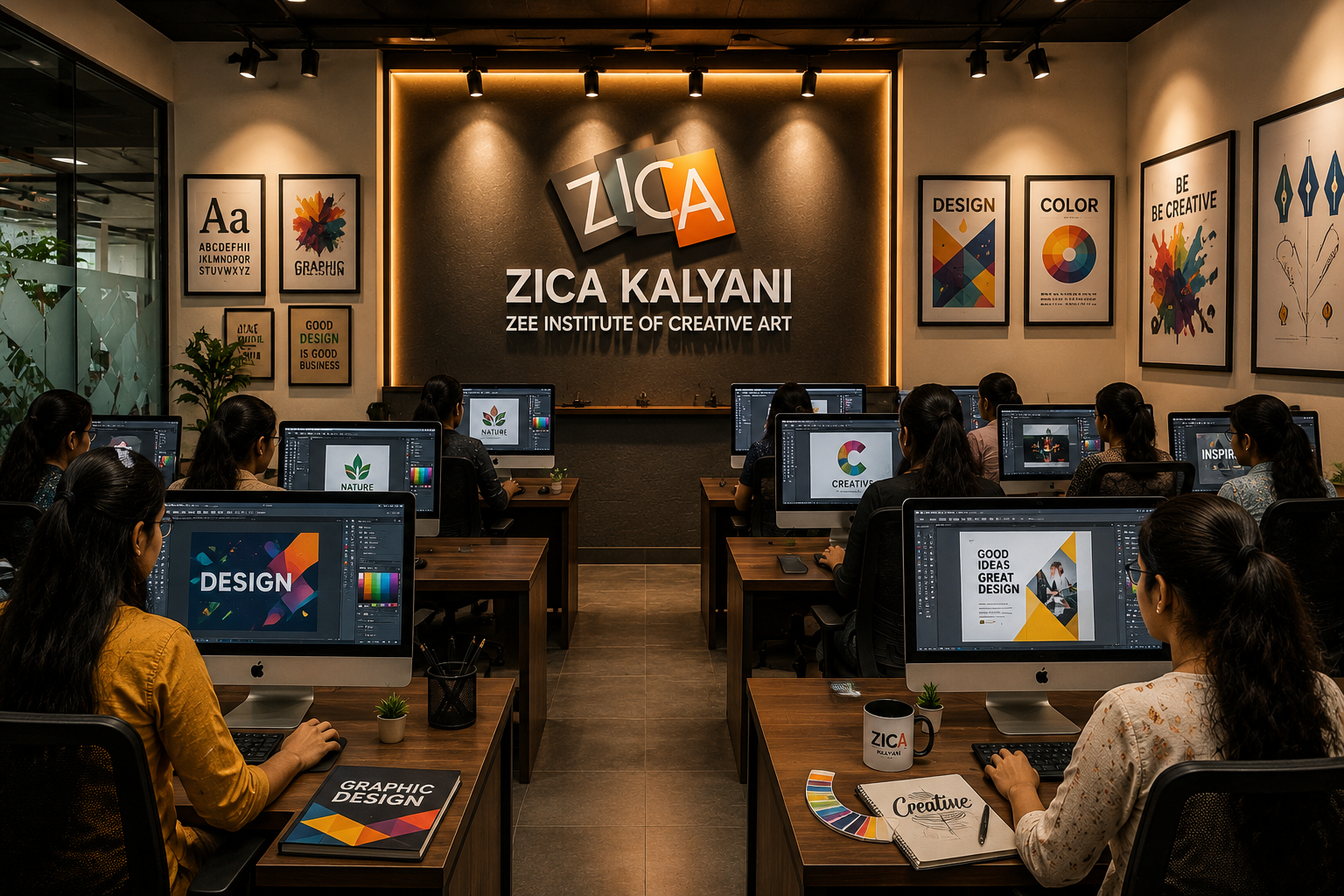
Graphic-design posters, logos, brochures, and social-media creatives
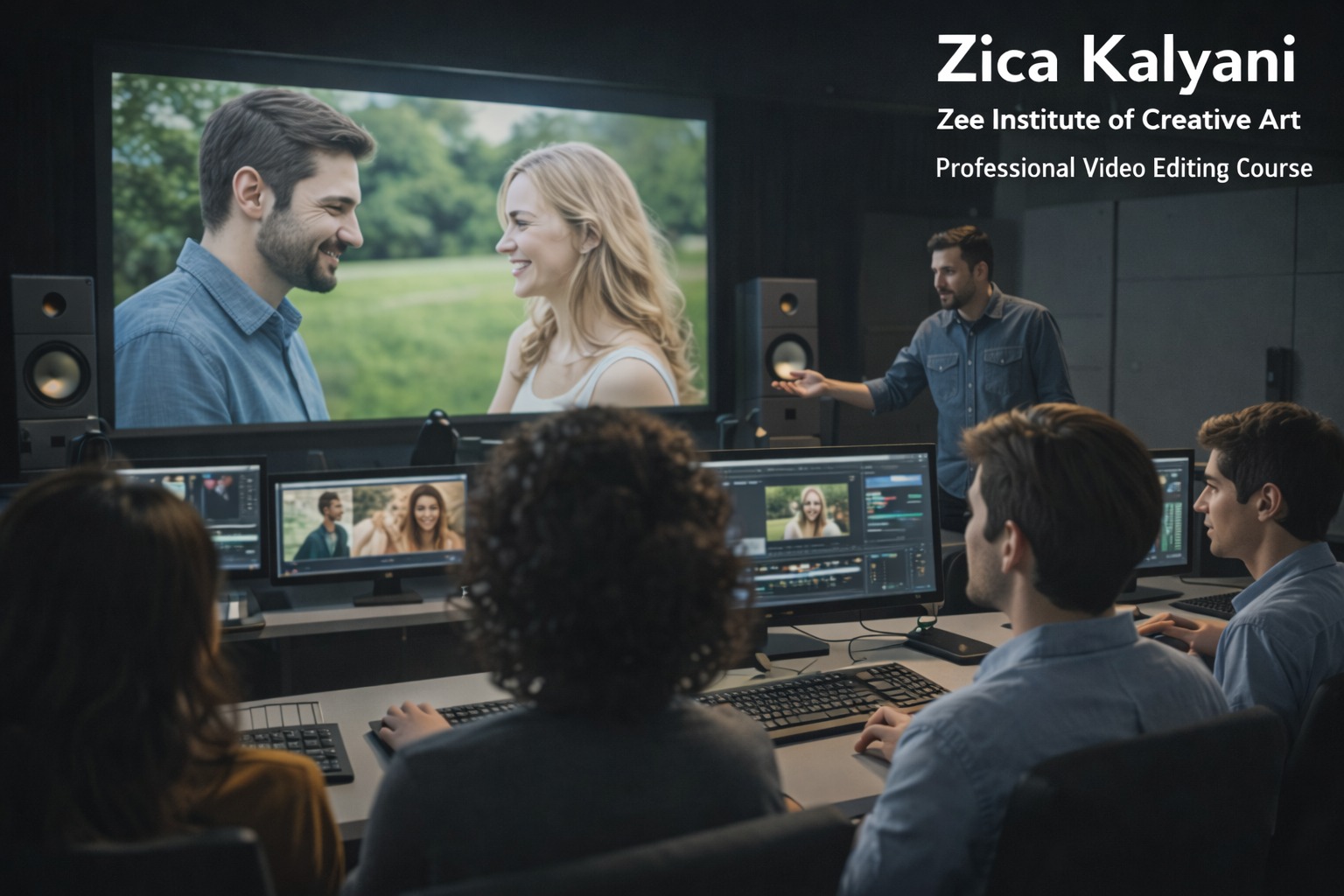
VFX compositing and video-editing assignments
Short-film, advertisement, or product-visualization projects
This project-based approach allows students to make mistakes, receive feedback, refine their work, and improve with every new assignment.
Why Hands-On Projects Matter
Creative industries are portfolio-driven. A certificate can show that a student has completed a course, but a portfolio shows what that student can actually create.
For an animation student, a portfolio or demo reel can include a short collection of their best work. A strong animation portfolio should focus on quality, relevance, and clear presentation rather than including every project completed during training.cgspectrum
For instance, a character-animation student may include:
A polished walk cycle
A run or jump animation
A weight-lifting or body-mechanics shot
A short acting shot with facial expressions
A dialogue or lip-sync shot
A 3D-modeling student may include:
A hard-surface prop model
A character model with clean topology
A textured asset
A lighting and rendering project
Wireframe views and final renders
By completing practical projects, students gradually build a portfolio that can be shared with studios, agencies, recruiters, and freelance clients.
How Paid Internships Help Animation Students
A paid internship gives students an opportunity to gain professional experience while receiving a stipend for their contribution. It can help learners understand workplace expectations and develop confidence before applying for a full-time role.
ZICA’s enquiry information notes that internship opportunities may be offered from time to time, are optional, and can carry a basic stipend. Students should always confirm current availability, eligibility requirements, duration, stipend, and placement terms directly with the relevant centre before enrolling.zicaindia
A paid internship can provide valuable exposure to:
Real client briefs and project requirements
Studio workflow and production pipelines
Team communication and collaboration
Creative feedback from seniors
Revision cycles and deadline management
Professional file naming and asset organization
Portfolio-quality project contributions
Workplace discipline and responsibility
The experience can make the transition from student work to professional work feel more manageable.
Internship Experience Builds Confidence
Many students feel nervous when applying for their first job because they have not worked in a professional setting before. An internship can reduce that uncertainty.
During an internship, students may learn how to interpret a creative brief, ask useful questions, take feedback constructively, manage time, and deliver work in the correct format. They also begin to understand that creative work often goes through several revisions before it reaches the final version.
This learning process is valuable because the animation industry involves continuous improvement. An animator may revise a shot after feedback from a lead artist. A graphic designer may update a layout after client comments. A VFX artist may adjust compositing, lighting, or timing until a shot matches the intended result.
Students who experience this process early are better prepared for professional expectations.
From Classroom Projects to Real Industry Workflow
Classroom projects are essential because they allow students to learn fundamentals in a supportive environment. Internships add another important layer by showing how those skills are used within a team.
Here is a simple example:
A student may create a short animated advertisement during practical training. During an internship, they may learn how a similar project is developed from a client brief, planned with a storyboard, assigned among artists, revised based on feedback, rendered, edited, and delivered on a deadline.
This exposure teaches students that animation is not only an artistic process. It is also a structured workflow involving planning, communication, creativity, technical knowledge, and teamwork.
Paid Internships Can Strengthen a Portfolio
A well-chosen internship project can become a valuable portfolio addition when the student has permission to display the work. It can demonstrate that the student has contributed to real assignments, followed a brief, worked with deadlines, and collaborated with others.
Before adding internship work to a portfolio, students should always ask for approval. Some client or studio projects may be confidential, unpublished, or protected by non-disclosure agreements. If the work cannot be shown publicly, students can still describe the skills they learned without sharing confidential content.
A good portfolio should present only the student’s strongest work and clearly explain the student’s role in each team project. This creates trust and helps recruiters understand what the candidate personally contributed.
Preparing for an Animation Internship
Students can improve their internship readiness by focusing on a few important areas:
Complete regular practice exercises and personal projects
Build a focused portfolio or demo reel
Select a specialization, such as 2D animation, 3D animation, VFX, graphic design, or motion graphics
Keep project files clean and properly organized
Create a simple, professional resume
Learn how to present your work confidently
Accept feedback and improve projects after review
Maintain a professional online presence on platforms such as LinkedIn, Behance, ArtStation, or a personal portfolio website
A portfolio should show your best and most relevant work. Recruiters often value clarity, polish, and a clear specialization over a large collection of unfinished or unrelated projects
Important Questions to Ask Before Joining
Before choosing a course that promotes practical training or internship support, students and parents should ask clear questions:
What practical projects are included in the course?
Will students create a portfolio or demo reel?
Which software and production workflows are taught?
Is an internship guaranteed, optional, or subject to availability?
Is the internship paid, and what is the expected stipend?
What are the eligibility criteria for internship opportunities?
What is the internship duration and work schedule?
Will students receive portfolio, resume, interview, or placement guidance?
Are there any additional conditions, fees, or performance requirements?
Asking these questions helps students make informed decisions and avoids assuming that a paid internship or job placement is automatic.
Start Building Job-Ready Skills
For aspiring animators, the goal should be to develop a combination of creativity, technical skills, professional discipline, and a strong portfolio. Practical projects provide the foundation, while internships can provide valuable exposure to professional expectations.
At ZICA Kalyani, students can explore creative career pathways in animation, VFX, gaming, graphic design, and related digital-media fields. Hands-on learning, consistent practice, portfolio development, and career guidance can help students prepare for future opportunities in the creative industry.
A paid internship can be a meaningful opportunity, but it should be viewed as one part of a larger career journey. The strongest results come from combining training, project work, feedback, a focused portfolio, and a willingness to keep learning.