Track
IT Hardware, Networking & Cyber Security
Duration
30 hours
Skill Level
Advanced
Language
English
About this Course
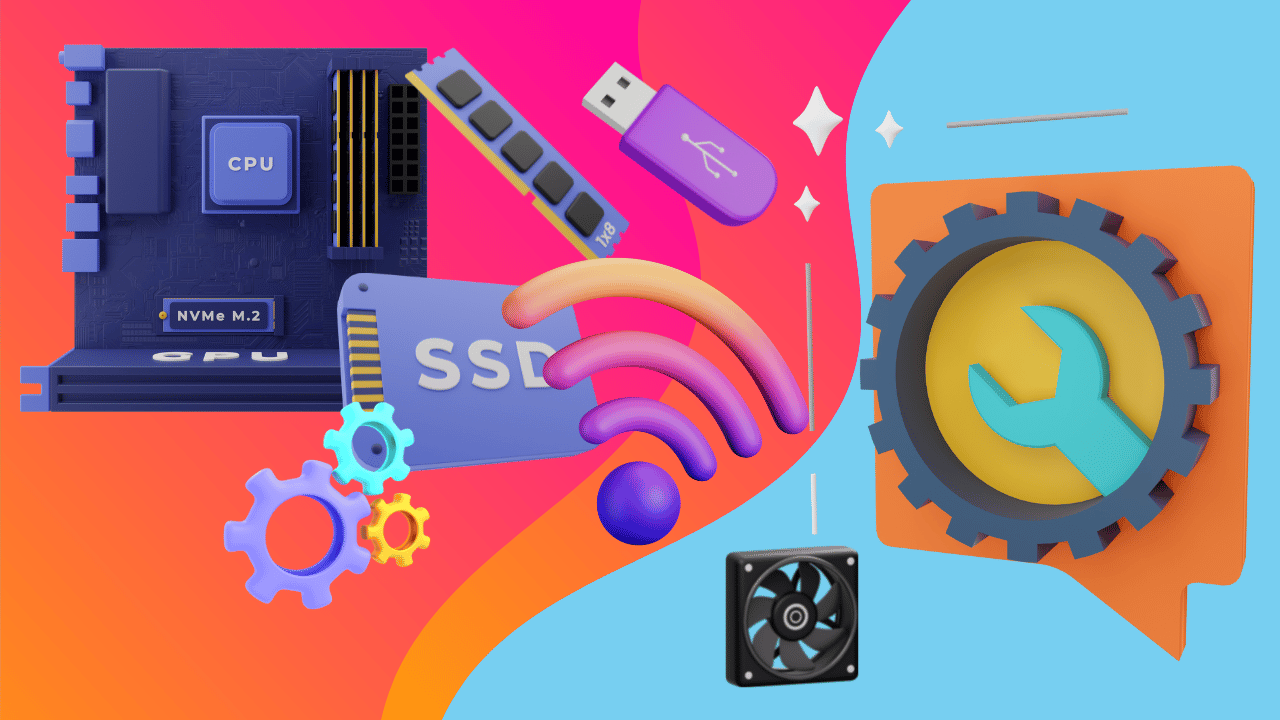
Install, configure, and troubleshoot hardware components and peripheral devices.
Learning Mode: Learn at ALC or at Home
Detailed Course Curriculum
Hands-on module breakdown aligned with MKCL production standards and industry requirements.
- Assembling a PC -Part 2
- Installing SMPS
- Installing various hardware components
- Installing Various Types of Hardware Components – Part 1
- Installing Various Types of Hardware Components – Part 2
- Installing Various Types of Hardware Components – Part 3
- Installing Various Types of Hardware Components – Part 4
- Installing Various Types of Hardware Components – Part 5
- Installing Various Types of Hardware Components – Part 6
- Installing Various Types of Hardware Components – Part 7
- Laptop components
- Laptop Components- Expansion Cards
- Laptop Components- Express Cards
- Laptop Components- RAM SODIMM SSD
- Laptop Hardware LCD Screens DJ Jack Battery Packs Touch Pads Plastic Fittings
- Laptop Hardware- Keyboard and Hard Drives
- Laptop Hardware- Speakers Motherboards
- Laptop Hardware-Memory and Optical Drives
- Inside a laptop
- Laptop Vs Tablet
- Opening a laptop
- What is HDMI over LAN?
- Braille Reader
- Speech-Generating Device
- Overview of Biometric Systems
- Types of Biometrics
- Advantages and Disadvantages of Biometrics
- Characteristics of Biometric system
- Security and Privacy Concerns
- UPS Overview
- UPS types
- Choosing Ups and Batteries
- Accessories and future trends
- Projectors and Types
- LCoS projector
- DLP projector
- LCD projector
- Pico projector
- About laser projector, buying guidelines and installing projector
- Laser projector and buying
- Installing projector (Demo)
- About CCTV and Working Part 1
- About CCTV and Working Part 2
- CCTV camera- storage and installation
- CCTV camera
- CCTV Monitoring and Troubleshooting
- CCTV installation (Demo)
- Thin Clients - Part 1
- Thin Clients - Part 2
- Mobile device management (MDM) overview
- Operating system overview, working and installing Virtual PC software on PC
- Operating system overview part 1
- Operating system overview part 2
- Working With Operating System Part-1
- Working With Operating System Part-2
- Installing Virtual PC software on PC
- Downloading iso image
- Creating bootable pen drive
- Installing Windows desktop operating system
- Installing Windows 11 operating system
- Installing Ubuntu operating system
- Creating users in Windows 10
- Checking operating system information in a PC
- Disk Partitioning in Windows 10
- Setting password policies in Windows 10
- Partitioning Basics (1)
- Partitioning Basics (2)
- Understanding File Systems
- Bit Locker drive encryption
- Importance of Antivirus Software
- Antivirus part -1
- Antivirus part -2
- Antivirus part -3
- Troubleshooting Methodology
- Importance of Earthing
- About Hardware Troubleshooting Part-1
- About Hardware Troubleshooting Part-2
- About Hardware Troubleshooting Part-3
- About Hardware Troubleshooting Part-4
- Common Problems and Solutions Part-1
- Common Problems and Solutions Part-2
- Troubleshooting Adaptor Card
- Troubleshooting Cooling Systems
- Troubleshooting Hard Drive
- Troubleshooting Laptop Components
- Troubleshooting Power Supply
- Diagnostic Software’s I
- Diagnostic Softwares-1
- Hard disk Utility-1
- Diagnostic Softwares-2
- Performance Utilities -1
- Performance Utilities
- Mobile hardware
- SoC and memory
- About camera and sensors
- Connecting a Mobile Device to a PC
- Hardware Recycling Part 01
- Hardware Recycling Part 02
- About Refurbishing in Hardware
- Understanding process
- Refurbishing and New Computers
- How to buy a Good PC or Laptop 1
- How to buy a Good PC or Laptop 2
- Managing Your Computing Environment
- Communication Skills-1
Eligibility Criteria
• Basic knowledge of computers and keen desire to build skills in this field.
• Open to students, job seekers, and working professionals.
• Open to students, job seekers, and working professionals.
Official Certification
• Official MKCL KLiC Certificate upon successful completion of the course and evaluations.
Work-Centric Learning Approach
• Step 1: Learners are given an overview of the course and its connection to life and work
• Step 2: Learners are exposed to the specific tool(s) used in the course through the various real-life applications of the tool(s).
• Step 3: Learners are acquainted with the careers and the hierarchy of roles they can perform at workplaces after attaining increasing levels of mastery over the tool(s).
• Step 4: Learners are acquainted with the architecture of the tool or tool map so as to appreciate various parts of the tool, their functions, utility and inter-relations.
• Step 5: Learners are exposed to simple application development methodology by using the tool at the beginner’s level.
• Step 6: Learners perform the differential skills related to the use of the tool to improve the given ready-made industry-standard outputs.
• Step 7: Learners are engaged in appreciation of real-life case studies developed by the experts.
• Step 8: Learners are encouraged to proceed from appreciation to imitation of the experts.
• Step 9: After the imitation experience, they are required to improve the expert’s outputs so that they proceed from mere imitation to emulation.
• Step 10: Emulation is taken a level further from working with differential skills towards the visualization and creation of a complete output according to the requirements provided. (Long Assignments)
• Step 11: Understanding the requirements, communicating one’s own thoughts and presenting are important skills required in facing an interview for securing a work order/job. For instilling these skills, learners are presented with various subject-specific technical as well as HR-oriented questions and encouraged to answer them.
• Step 12: Finally, they develop the integral skills involving optimal methods and best practices to produce useful outputs right from scratch, publish them in their ePortfolio and thereby proceed from emulation to self-expression, from self-expression to self-confidence and from self-confidence to self-reliance and self-esteem!
• Step 2: Learners are exposed to the specific tool(s) used in the course through the various real-life applications of the tool(s).
• Step 3: Learners are acquainted with the careers and the hierarchy of roles they can perform at workplaces after attaining increasing levels of mastery over the tool(s).
• Step 4: Learners are acquainted with the architecture of the tool or tool map so as to appreciate various parts of the tool, their functions, utility and inter-relations.
• Step 5: Learners are exposed to simple application development methodology by using the tool at the beginner’s level.
• Step 6: Learners perform the differential skills related to the use of the tool to improve the given ready-made industry-standard outputs.
• Step 7: Learners are engaged in appreciation of real-life case studies developed by the experts.
• Step 8: Learners are encouraged to proceed from appreciation to imitation of the experts.
• Step 9: After the imitation experience, they are required to improve the expert’s outputs so that they proceed from mere imitation to emulation.
• Step 10: Emulation is taken a level further from working with differential skills towards the visualization and creation of a complete output according to the requirements provided. (Long Assignments)
• Step 11: Understanding the requirements, communicating one’s own thoughts and presenting are important skills required in facing an interview for securing a work order/job. For instilling these skills, learners are presented with various subject-specific technical as well as HR-oriented questions and encouraged to answer them.
• Step 12: Finally, they develop the integral skills involving optimal methods and best practices to produce useful outputs right from scratch, publish them in their ePortfolio and thereby proceed from emulation to self-expression, from self-expression to self-confidence and from self-confidence to self-reliance and self-esteem!
Ready to start Mastering Installations and Troubleshooting of IT Hardware?
Join our upcoming batch at ZICA Kalyani center with certified instructors.
Other MKCL Courses
-
Desktop Support
120 hours -
Network Support
120 hours -
Cyber Security
60 hours -
Security Support
120 hours